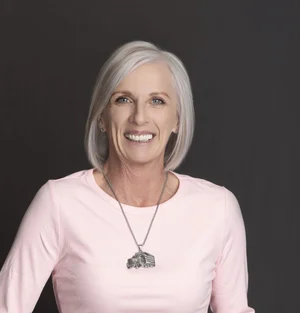
When Driving Meant Freedom
From the Cab – A Reflection
I remember being thirteen years old and wanting to drive so badly I could hardly stand it.
Growing up in the suburbs, I didn’t have the advantage of farm kids who were already driving tractors and pickup trucks long before their sixteenth birthday. My closest version of that freedom was a go-kart. It was fun, but it wasn’t the same.
What I really wanted was a driver’s license.
To me, driving meant freedom. It meant being able to get a job, earn your own money, and begin stepping into adulthood. A driver’s license wasn’t just a piece of plastic — it was the beginning of independence.
I saved my money and eventually bought my first car. When that day finally came, it felt like someone had handed me the keys to the world.
I quickly became “the driver” in my circle of friends. If we were going somewhere, I was behind the wheel.
Sometimes we didn’t even have a destination.
Windows down.
Music loud.
Wind blowing through our hair.
Driving simply because we could.
A Rite of Passage
Back then, getting your license felt like a rite of passage.
It meant independence.
It meant responsibility.
And it meant learning the craft of driving.
You paid attention to the road. You learned how traffic flowed. You listened to the engine, watched your mirrors, and understood that being behind the wheel meant being fully present.
Driving required attention — and people respected that.
A Different Driving Culture
Over the years, I’ve noticed that culture has shifted.
Today many young people delay getting their driver’s license. Some simply aren’t interested. My own granddaughter didn’t have much desire to drive at first. Eventually she learned, of course, but her experience is becoming more common.
Phones have changed the way people interact with the world. Notifications, messages, and social feeds compete constantly for attention.
Unfortunately, driving requires the exact opposite mindset.
Focus.
From the Cab
When you spend your life on the road as a professional driver, that difference becomes even more noticeable.
Truck drivers understand something many people forget — driving is not passive. It requires constant awareness and anticipation. You're reading traffic patterns, watching mirrors, and thinking several vehicles ahead.
It’s a craft.
Long nights and long miles are part of the job, but staying focused doesn’t mean the road has to feel empty. I often listen to an audiobook, a podcast, or music while I’m driving.
If a message comes through, Siri reads it and I respond hands-free.
Technology actually makes it easier than ever to stay connected without taking your eyes off the road.
Professional Standards
That’s why it can be hard to understand when I see drivers — sometimes even professional drivers — holding phones in front of their faces, FaceTiming, or watching videos while traveling down the highway.
At that point, they’re no longer really driving.
They’re just simply moving down the road..
Professional driving has always carried a higher standard because the responsibility is greater. The vehicles are larger, the stakes are higher, and everyone on the road depends on that level of professionalism.
Remembering Why We Wanted to Drive
Driving is still one of the greatest freedoms we have.
For professional drivers, it’s also one of the greatest responsibilities.
Sometimes I think back to that thirteen-year-old girl who couldn’t wait to get behind the wheel — just for the joy of driving with nowhere particular to go.
Maybe the road would be a little safer if more people remembered why they wanted to drive in the first place.